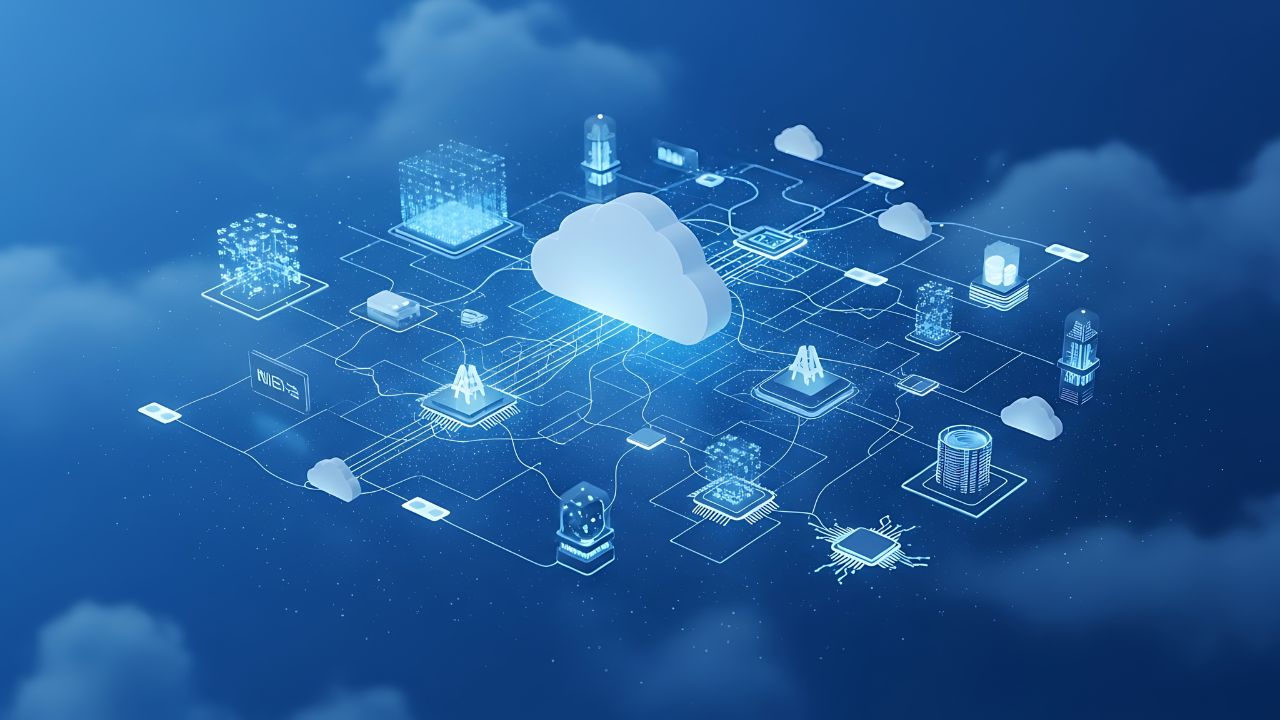
The boundary between physical security and digital infrastructure has all but disappeared. Surveillance cameras, access control systems, perimeter alarms, and intercoms no longer operate as isolated hardware — they run on IP networks, transmit data to cloud platforms, and are managed through software dashboards that can be accessed from anywhere in the world.
This convergence brings real benefits. Facility managers can monitor multiple sites from a single pane of glass. Security footage can be stored off-site and retrieved instantly. Access logs sync across systems automatically. But it also introduces a new layer of risk that many businesses are not fully prepared for.
When physical security becomes a networked system, it needs to be protected like one.
Table of Contents
What Is Physical Security Network Infrastructure?
Physical security network infrastructure refers to the hardware and connectivity layer that supports IP-based security systems. This includes cameras, door controllers, intercom panels, alarm sensors, and the switches, fiber runs, and transmission equipment that connect them.
In older installations, these systems ran on proprietary coaxial or copper wiring. Today, most new deployments use standard Ethernet or fiber optic cabling, which means they sit on the same type of network as the rest of a company’s IT systems.
This is a meaningful shift. It opens up centralized management, remote access, and integration with other business software. But it also means that a poorly secured security camera or access controller can become an entry point for a cyberattack — the same way an unsecured router or server can.
The Risks of Connected Physical Security Systems
Many organizations treat their physical security systems as separate from their IT infrastructure. The IT team manages computers and servers, often supported by cybersecurity software, while facilities or operations manage cameras and access control. These departments often do not coordinate closely, which creates gaps.
Some of the most common vulnerabilities in connected physical security systems include:
- Default credentials left unchanged. IP cameras and access controllers often ship with factory-set usernames and passwords. When these are not updated, they can be discovered and exploited in minutes using publicly available tools.
- Unencrypted data transmission. Some older or lower-cost devices transmit video and data without encryption. This means anyone with access to the network can potentially intercept the feed.
- Lack of network segmentation. When security devices sit on the same network as business computers and servers, an attacker who compromises one device may be able to move laterally across the organization.
- Outdated firmware. Physical security hardware is often installed and then left alone for years. Firmware patches that address known vulnerabilities are frequently not applied.
- Weak remote access policies. Remote monitoring is a key benefit of modern security systems, but VPN policies, multi-factor authentication, and session logging are often not enforced.
Understanding these risks is the first step toward addressing them systematically.
How Network Architecture Affects Security Outcomes
The physical layer of a security network — the cabling, switches, and transmission equipment — plays a larger role in security outcomes than most people realize.
Fiber optic connections, for example, are significantly harder to tap than copper Ethernet runs. Fiber does not emit electromagnetic signals, which makes passive interception extremely difficult. For high-security facilities, long cable runs, or environments with significant electrical interference, fiber is often the right choice from both a reliability and security standpoint.
Managed switches offer another layer of control. Unlike unmanaged switches, managed devices allow administrators to segment traffic, configure VLANs, monitor port activity, and restrict which devices can communicate with each other. This kind of network visibility matters when you are trying to detect or contain an intrusion.
Companies like Comnet specialize in transmission and networking equipment built specifically for physical security applications — products designed to handle the demands of surveillance systems operating in challenging environments, from outdoor installations to industrial facilities.
Getting the physical infrastructure right from the start reduces vulnerabilities before any software configuration even begins.
Integrating Physical Security With Cloud Platforms
Many organizations are now moving their physical security management to the cloud. Video storage, access logs, visitor management, and alarm monitoring are increasingly handled by cloud-based platforms rather than on-premises servers.
This shift offers clear advantages: lower hardware costs, automatic software updates, easier scaling, and the ability to manage security across multiple locations from one interface.
But moving physical security data to the cloud requires careful planning. The same principles that apply to migrating business applications also apply here. Businesses need to think about data encryption, access control, identity management, and compliance from the beginning — not as an afterthought.
For organizations navigating this process, reviewing established guidance on cloud migration security is a useful starting point. Understanding how to protect data during and after a cloud move applies directly to physical security workloads, including video archives, access logs, and alarm data.
Best Practices for Securing Connected Physical Security Systems
With the risks and architecture considerations in mind, here are practical steps organizations can take to improve the security posture of their physical security networks.
- Segment your network. Place physical security devices on a dedicated VLAN, separate from general business traffic. This limits the blast radius if a device is compromised and makes it easier to monitor traffic specific to security systems.
- Change all default credentials immediately. Every camera, access controller, and network device should have a unique, strong password set during installation. Maintain a credential management process to rotate passwords regularly.
- Enable encryption at every layer. Use devices that support encrypted video streams and ensure that data transmitted to and from cloud platforms is encrypted in transit. Confirm that stored data is encrypted at rest.
- Apply firmware updates on a scheduled basis. Assign ownership of firmware update management for security hardware, just as you would for servers and workstations. Subscribe to vendor security advisories.
- Enforce multi-factor authentication for remote access. Anyone accessing security systems remotely — whether viewing cameras, managing access cards, or reviewing logs — should be required to authenticate with more than just a password.
- Monitor network traffic for anomalies. Use network monitoring tools to establish a baseline of normal traffic from security devices and alert on unusual patterns. A camera suddenly generating high outbound traffic may have been compromised.
- Conduct regular security audits. Physical security systems should be included in broader IT security audits. This includes reviewing who has access to what, checking for devices with expired firmware, and testing for known vulnerabilities.
Compliance Considerations for Physical Security Data
Physical security systems collect sensitive data — footage of employees, customers, and visitors; records of who accessed which areas and when; biometric data in some cases. This data is subject to privacy and security regulations in many industries and jurisdictions.
Healthcare organizations operating under HIPAA, financial institutions regulated by various data security standards, and businesses operating in GDPR-covered regions all need to think carefully about how physical security data is stored, who can access it, and how long it is retained.
Cloud platforms used for security management should offer audit logs, role-based access controls, data residency options, and retention policy management. These are not nice-to-have features — they are requirements in many operating environments.
Before choosing a cloud security management platform, organizations should verify that the vendor’s compliance certifications match the regulatory environment they operate in.
The Human Factor
Technology alone does not secure a physical security network. People do.
Installation teams who configure devices correctly, IT staff who apply patches and monitor traffic, facilities managers who enforce access policies, and executives who fund security infrastructure — all of these people play a role.
Training matters. Staff responsible for physical security systems should understand basic cybersecurity hygiene: recognizing phishing attempts, understanding why they should not connect personal devices to the security network, and knowing who to contact if they notice something unusual.
Security culture is not just an IT issue. In an era where cameras and door controllers are network endpoints, it is an operational concern across the organization.
Looking Ahead
Physical security systems will continue to grow more connected, more intelligent, and more dependent on cloud infrastructure. AI-powered video analytics, license plate recognition, smart access control, and integrated visitor management are becoming standard features rather than premium add-ons.
With that increased capability comes increased responsibility. Businesses that invest in modern security hardware but neglect the network layer are leaving themselves exposed in ways that can undermine the physical security they worked to establish.
A security camera that a bad actor can access remotely does not make a facility safer. A door controller that can be overridden through a network intrusion does not control access. The physical and digital dimensions of security are inseparable now — and protecting both requires treating the network itself as critical infrastructure.
Final Thoughts
The shift to IP-based physical security is not coming. It is already here. Most organizations are already operating networked cameras, connected access systems, and cloud-managed security platforms whether they fully recognize it or not.
What separates organizations that manage this well from those that do not is intentionality. Building physical security networks on reliable, manageable hardware, segmenting them properly, securing credentials, applying updates, and connecting cloud platforms with care — these practices are achievable at any scale.
The goal is not perfection. It is building systems that are harder to compromise, faster to detect issues, and easier to recover when something goes wrong.