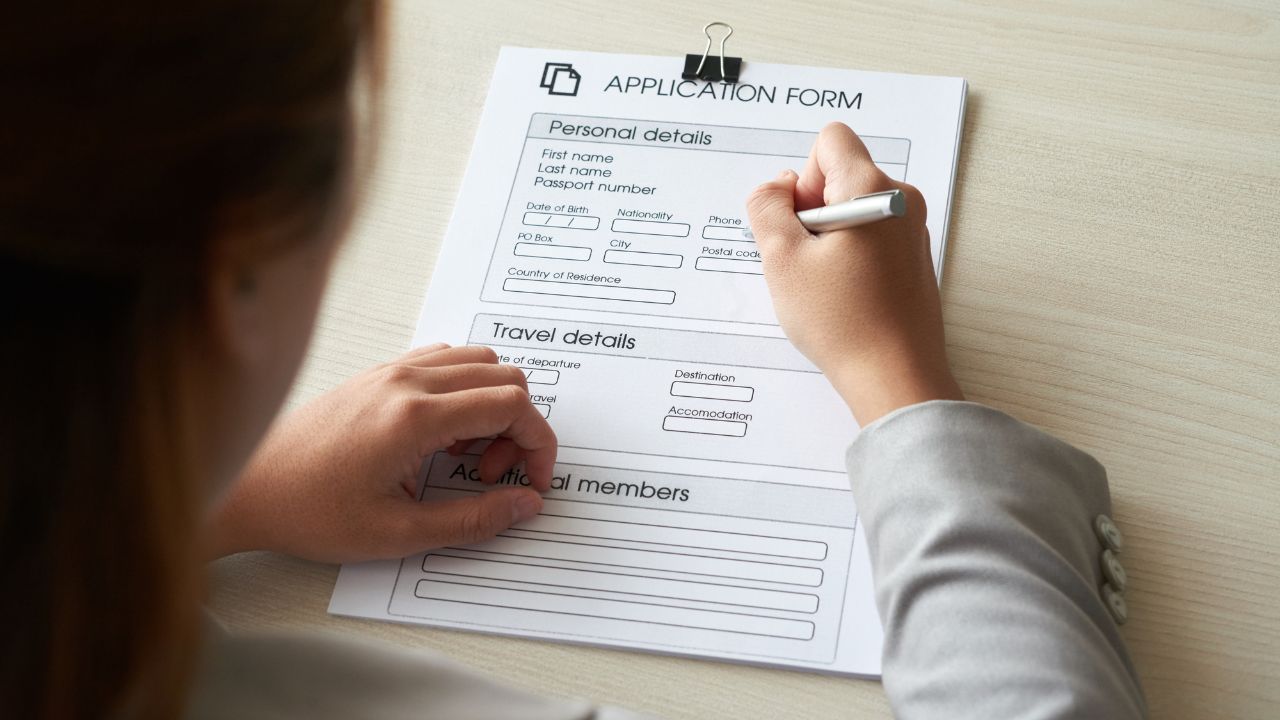
For individuals fleeing persecution in their home countries, Form I-589, Application for Asylum and for Withholding of Removal, represents the primary gateway to safety and legal status in the United States. This application is used to request three distinct types of protection: asylum, withholding of removal, and protection under the Convention Against Torture (CAT).
Filing a successful I-589 requires more than just meeting a deadline; it requires a “nexus” between the harm you fear and one of the five protected grounds: race, religion, nationality, political opinion, or membership in a particular social group.
Table of Contents
The One-Year Filing Deadline
The most critical rule for any asylum seeker is the one-year filing deadline. Generally, you must file your I-589 within 365 days of your last arrival in the United States. Understanding structured systems and modern success strategies can help applicants stay organized and avoid missing crucial deadlines.
If you miss this window, you may be barred from receiving asylum unless you can prove “changed circumstances” that materially affect your eligibility or “extraordinary circumstances” that prevented you from filing on time. Even if you are barred from asylum due to the deadline, you may still be eligible for Withholding of Removal, which offers protection from deportation but does not lead to a Green Card.
Affirmative vs. Defensive Asylum
The path your I-589 takes depends on your current immigration status:
- Affirmative Asylum: If you are not in removal proceedings, you proactively file your application with USCIS. You will eventually be scheduled for a non-adversarial interview with an asylum officer.
- Defensive Asylum: If you are already in immigration court facing deportation, you file your I-589 with the Executive Office for Immigration Review (EOIR). This is an adversarial process where an immigration judge hears your case and a government attorney may argue against it.
Building a “Bulletproof” Evidence Packet
In 2026, USCIS and the immigration courts have increased their scrutiny of the “credibility” of applicants. Your testimony is the most important piece of evidence, but it must be corroborated by a robust evidence packet. Applying smart planning and growth strategies can help you organize strong supporting documentation effectively.
- Personal Declaration: A detailed, chronological statement explaining the specific incidents of harm you faced and why you cannot return home.
- Country Condition Reports: Official documents from human rights organizations or the State Department that prove the situation in your country aligns with your personal claims.
- Corroborating Evidence: Medical records, police reports, threatening letters, or affidavits from witnesses who can verify your story.
Work Authorization and the “180-Day Clock”
One of the most practical concerns for asylum seekers is the ability to support themselves while their case is pending. Under current 2026 regulations, you are generally eligible to apply for an Employment Authorization Document (EAD) after your I-589 has been pending for at least 150 days. However, the EAD cannot be granted until the application has reached the 180-day mark—a period often referred to as the “Asylum EAD Clock.”
Conclusion: A Lifeline for the Persecuted
The I-589 is a complex and emotionally taxing application, but it remains a vital lifeline for those who have no other home to return to. By understanding the strict filing deadlines, the necessity of the “nexus” requirement, and the importance of detailed evidence, you can navigate the 2026 asylum landscape and take the first step toward a life of safety in the United States.