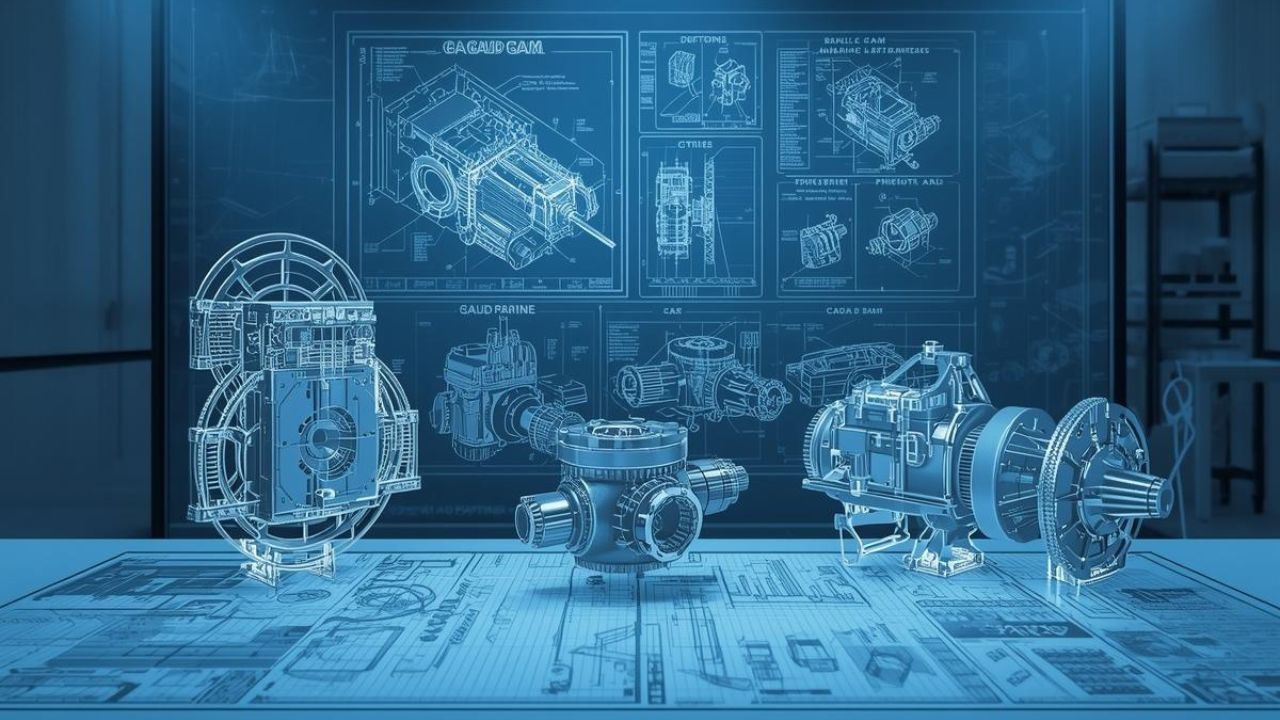
Technology has changed the way we design and build things. Today, machines and software work together to make production faster and more accurate. If you want to understand How to Use Tech Tools G15ToolTech, this guide will help you step by step.
Table of Contents
1. The Blueprint: Design and Modeling (CAD/CAM)
Every great piece of engineering starts with a vision. However, that vision needs to be translated into a language that machines can understand. This is where the design and modeling phase comes in.
Using AutoCAD and PRO ENGINEER
In the G15 ToolTech workflow, AutoCAD and PRO ENGINEER are the heavy hitters. These platforms act as powerful productivity tools, helping engineers create incredibly detailed 2D and 3D drawings of components with speed and accuracy.
- 2D Drawings: These act as the technical “maps.” They show dimensions, tolerances, and material specifications.
- 3D Modeling: This allows you to see the part in a virtual space. You can check for potential mistakes or weak spots before a single piece of metal is cut.
Design Validation and CAM Integration
Once the model is ready, it’s time for Design Validation. Specialized software simulates how the part will perform under stress. It also checks how it will fit into a larger assembly.
After validation, we move to CAM (Computer-Aided Manufacturing). This is the bridge between the computer and the factory floor. The 3D design is converted into technical drawings and G-code. This defines the specific paths the CNC machines will take. This integration ensures the final product is a perfect replica of the digital design.
2. Bringing It to Life: Manufacturing and Tooling
Once the design is locked in, the action moves to the machine shop. This is where raw materials—like steel, aluminum, or specialized alloys—are transformed into functional tools and parts.
The Power of CNC Machining
CNC (Computer Numerical Control) is the backbone of G15 ToolTech. Specifically, VMC (Vertical Machining Centers) are used for several key tasks.
- Milling: This involves carving out complex shapes from a solid block.
- Boring: This is the process of enlarging holes with extreme precision.
- Routing: This helps in achieving specific profiles and smooth edges.
Conventional Machining
While CNC handles the complex stuff, conventional machining still plays a vital role. Surface grinding, radial drilling, and lathe machines are the workhorses. They are used for shaping raw materials and preparing them for more intricate work. Sometimes, the “old-fashioned” way is the most efficient way to get a block of steel down to its base size.
Tooling Setup and Precision
A machine is only as good as the tool it holds. Proper setup of tool holders is essential. Common types include BT, BBT, CAT, HSK, DV, and ISO. Each of these holders serves a specific purpose in metal-cutting solutions.
Using the wrong holder can lead to “chatter” or vibration. This ruins the surface finish and reduces the lifespan of your cutting tools. High-quality tooling setup is a must for any professional shop.
3. Specialized Applications: The Art of Moulding
G15 ToolTech often finds itself at the heart of specialized manufacturing. This is particularly true in the creation of moulds. This isn’t just about pouring liquid into a shape; it’s about high-pressure engineering.
Battery Moulds and Precast Panels
In the construction and energy sectors, vertical battery moulds are used to manufacture precast panels. These moulds must be perfectly aligned and sealed. This ensures that the concrete or material sets correctly without leaks or structural flaws.
Precision Injection Moulding
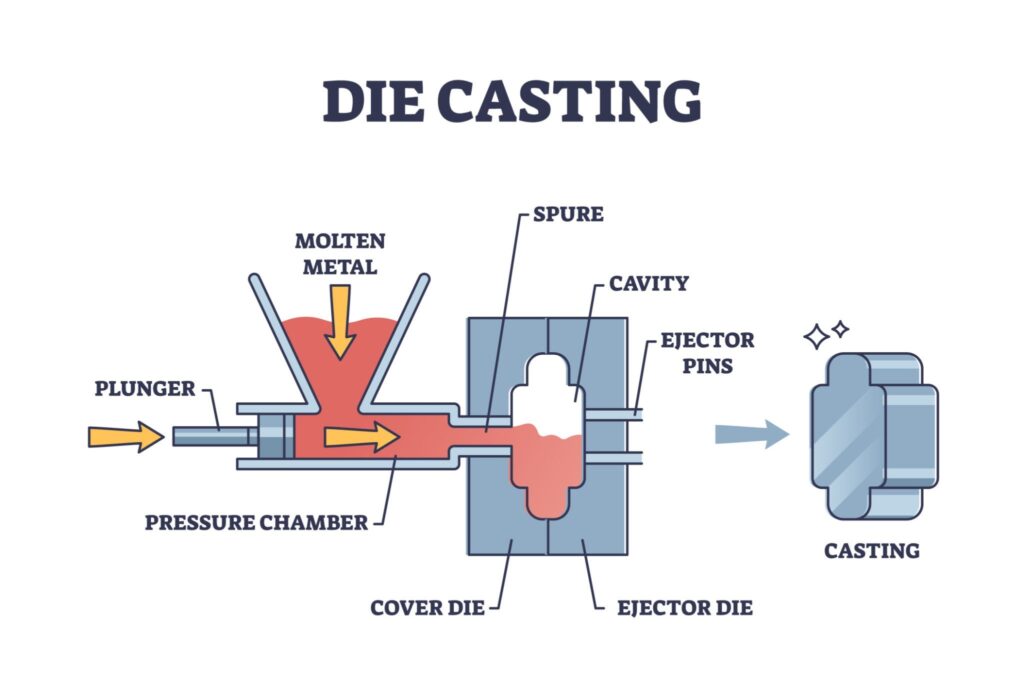
For smaller, more intricate parts, injection moulding is the go-to solution. By creating repeatable core and cavity inserts, manufacturers can produce thousands of identical parts. This is crucial for industries like medical devices or automotive electronics where consistency is everything.
The Rise of Robotic Processes
Modern G15 ToolTech is increasingly incorporating robotic processes. Robots can handle repetitive tasks—like moving heavy moulds or performing building upgrades. They work with a level of precision and speed that human operators simply can’t match. This doesn’t replace the human worker; it empowers them to focus on the technical setup and quality oversight.
4. Ensuring Excellence: Quality Control and Maintenance
You can have the best machines in the world, but if your quality control is lacking, your output will suffer. In the world of industrial tools, “good enough” is never good enough.
Rigorous Inspection
At every stage of the G15 ToolTech process, parts must be inspected. This includes checking dimensions against the original CAD file. It also involves testing the surface finish for smoothness. Professionals must ensure there are no internal cracks or defects before shipping a part.
Finishing and Polishing
The final step in the manufacturing process is often polishing. This isn’t just for looks. A smooth surface finish reduces friction and wear. This extends the life of the tool or component. Fine finishing ensures that the part meets the exact specifications required for its industrial application.
The Importance of Maintenance
Industrial tools are an investment. Like any investment, they need to be protected.
- Lubrication: Keeping moving parts greased prevents heat buildup and mechanical failure.
- Pneumatic Checks: Inspecting air hoses for leaks is vital for tools that rely on air pressure.
- Cleanliness: Dust and metal shavings are the enemies of precision. Regular cleaning prevents “clogging” and ensures the machines run smoothly.
5. Guidelines for Proper Operation
Safety and precision are two sides of the same coin. You cannot have one without the other in a professional engineering environment.
Safety First (PPE)
When working with G15 ToolTech equipment, Personal Protective Equipment (PPE) is non-negotiable. This includes safety glasses, ear protection, and steel-toed boots. You may also need specialized gloves. Modern industrial machines are powerful. Respecting that power is the first rule of the shop.
Following the Documentation
Every operation should be guided by process sheets. This applies to melting, metal treatment, or CNC turning. These documents act as a step-by-step manual for the operator. They ensure that every part is made using the same validated methods. This documentation is key to maintaining high accuracy and repeatability.
A Focus on Precision
The ultimate goal of using these technical tools is to achieve a result that is both accurate and repeatable. When you are assembling complex components, even a tiny mistake can cause a big problem. By focusing on precision at every stage, you ensure the highest possible quality for your clients.
Conclusion: The Future of Tooling
The world of G15 ToolTech reflects the future of technology, where software, automation, and smart machines work together to improve precision and speed. As software becomes more intuitive and machines become more capable, the barrier between a great idea and a finished product continues to shrink. However, the core principles remain the same. These are meticulous design, expert manufacturing, and a relentless commitment to quality.
By mastering these tools and following best practices in design, machining, and maintenance, you can stay at the forefront of the engineering world. Whether you are building massive battery moulds or tiny injection-moulded inserts, the right tech—and the right approach—makes all the difference.