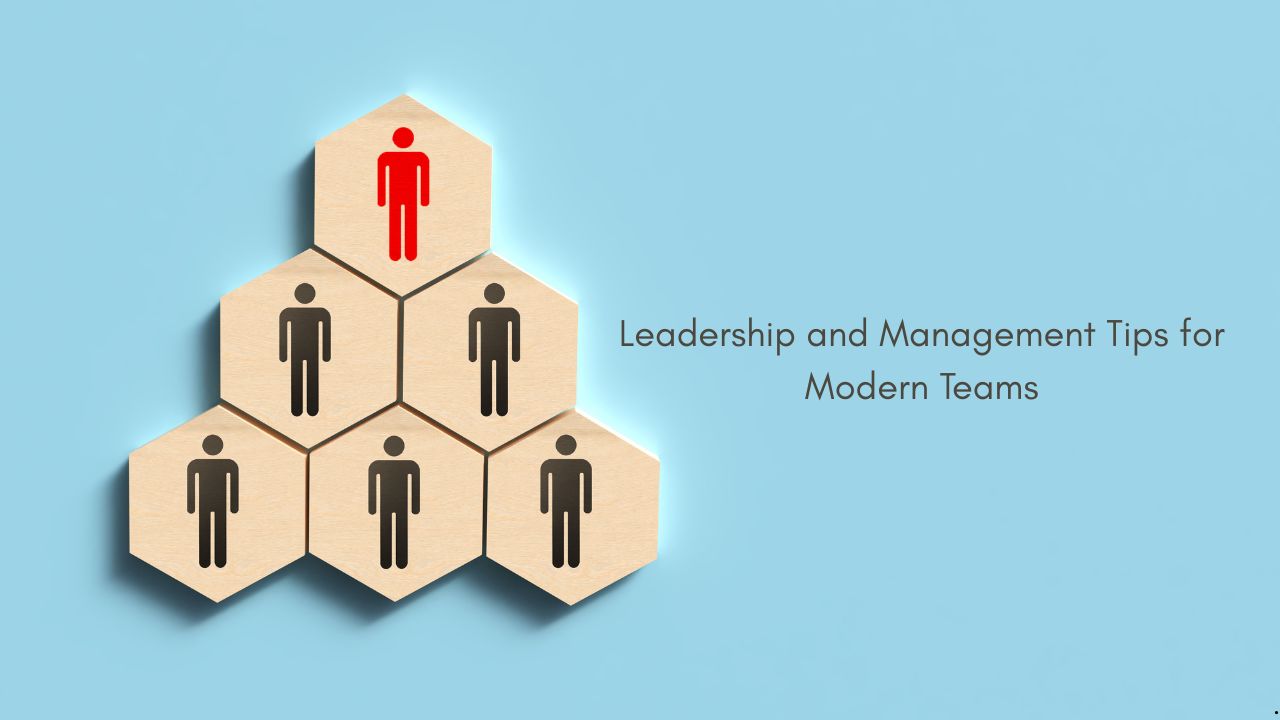
Leading a team today is very different from how it looked even a few years ago. Workplaces are more digital, more flexible, and more people-focused than ever before. Teams expect clear direction, but they also want trust, respect, and room to grow. Modern leadership is no longer about control—it’s about connection, clarity, and consistency.
Below are practical leadership and management tips designed for modern teams. The focus is on simple actions that create strong results without complicated theories or corporate jargon.
Table of Contents
Lead With Empathy and Emotional Intelligence
At the heart of modern leadership is empathy. Teams perform better when they feel understood and valued. Emotional intelligence helps leaders notice when someone is stressed, disengaged, or struggling—even if they don’t say it out loud.
Empathy does not mean lowering standards. It means understanding people as humans first. When leaders listen, show patience, and respond thoughtfully, trust grows naturally. Strong trust leads to better teamwork, higher motivation, and fewer conflicts—principles often highlighted in entrepreneur lessons from successful founders.
Build Psychological Safety Within the Team
Psychological safety means people feel safe to speak up, share ideas, and admit mistakes without fear. This is critical for innovation and learning. When team members worry about being judged, they stop contributing.
Leaders can create safety by openly admitting their own mistakes and encouraging honest discussion. Research highlighted by Smart Meetings shows that teams perform better when leaders model vulnerability and openness. When people know their voice matters, engagement rises.
Embrace AI as a Support Tool, Not a Threat
Modern teams often work alongside AI tools and automation. Strong leaders treat AI as a partner, not a replacement. AI can help with data analysis, scheduling, reporting, and routine tasks—similar to how modern productivity tools free teams to focus on creative and strategic work.
The key is balance. Leaders should use AI to improve efficiency while keeping human judgment at the center of decisions. Learning basic AI literacy, as discussed in a helpful YouTube video on modern leadership skills, helps managers guide teams with confidence instead of fear.
Create a Culture of Continuous Feedback
Annual performance reviews are no longer enough. Modern teams need regular, clear, and constructive feedback. Small check-ins help people understand what they’re doing well and where they can improve.
Feedback should be specific and kind. Instead of pointing out mistakes only, leaders should also recognize progress and effort. Ongoing feedback reduces confusion and helps teams grow steadily without pressure.
Practice “Lighthouse” Management
Modern leaders don’t need to control every detail. Instead, they act like a lighthouse—steady, visible, and guiding from a distance. This means setting clear goals, values, and direction, then trusting the team to manage the day-to-day work.
By stepping back from micromanagement, leaders empower team members to take ownership—an approach closely tied to modern business success in today’s fast-changing environment. This builds confidence and encourages problem-solving at every level.
Invest in Continuous Learning and Development
The best leaders see learning as an ongoing process, not a one-time event. Coaching, mentoring, and skill development should be part of everyday work life. This includes technical skills, communication skills, and digital literacy needed to adapt to future technology and evolving work environments.
Professional growth opportunities improve retention and morale. Insights shared by PRSA emphasize that teams thrive when leaders actively support learning and career development. When people grow, organizations grow with them.
Listen More Than You Speak
Active listening is one of the most overlooked leadership skills. Modern leaders make time to listen carefully—without interrupting or rushing to respond. This helps uncover hidden challenges and valuable ideas.
When leaders truly listen, employees feel respected. This strengthens relationships and leads to better decisions based on real team input, not assumptions.
Recognize Effort and Celebrate Wins
Recognition doesn’t need to be expensive or formal. A simple thank-you, public praise, or new responsibility can make a big difference. Personalized recognition shows that leaders notice effort, not just results.
Celebrating wins—big or small—keeps motivation high and reminds teams that their work matters.
Final Thoughts
Leadership and management for modern teams are built on trust, empathy, and adaptability. By combining human understanding with smart use of technology, leaders can guide teams through constant change with confidence. Clear communication, continuous learning, and genuine care are no longer optional—they are essential.
Strong leaders don’t just manage tasks. They support people, shape culture, and help teams move forward together.