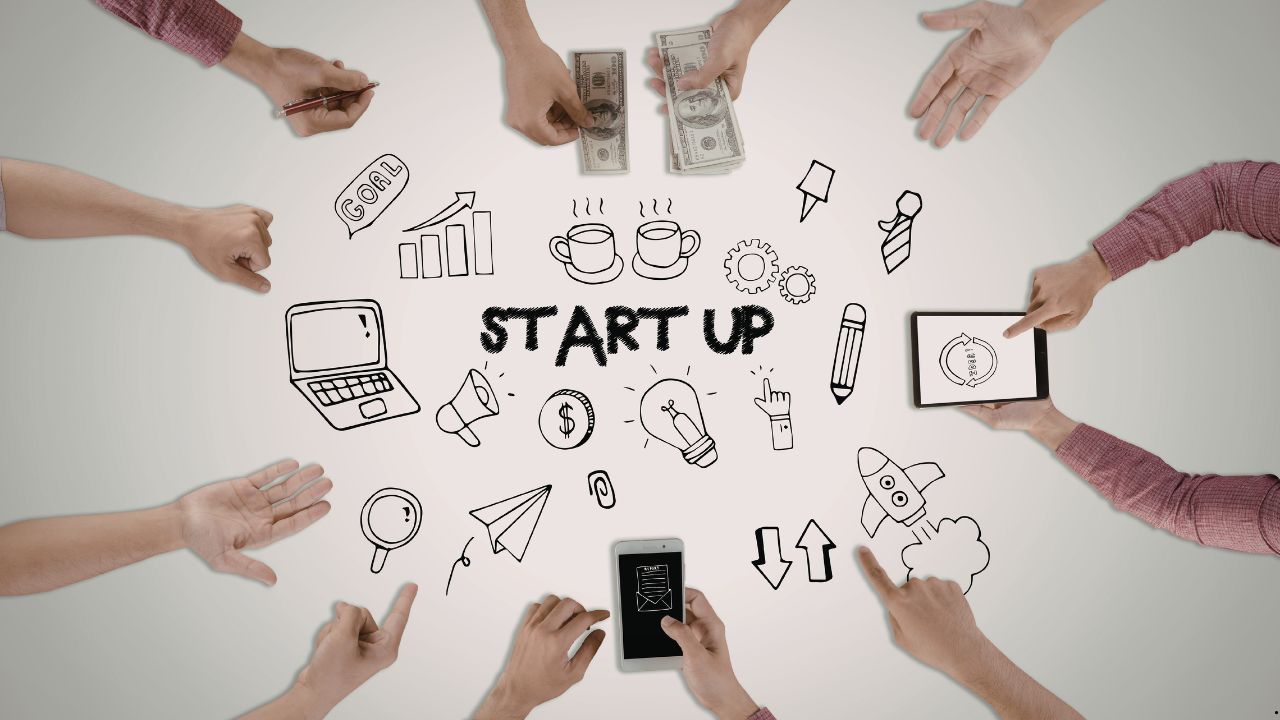
Startups are no longer just small businesses. In 2026, they are powerful forces shaping the global economy. From creating new products to opening new markets, startups are changing how industries work.
The global economy is affected by many forces like climate change, digitalization, aging populations, high debt levels, and regional trade. Startups are finding opportunities in all of these areas, making them more important than ever.
Table of Contents
Decarbonization and Green Transition
Climate change is one of the biggest challenges today. Startups are helping the world move toward a green transition.
New companies in renewable energy, clean technology, and sustainable business practices are creating ways to make money while protecting the environment. For example, clean-energy markets are expected to reach $640 billion a year by 2030.
The EU’s carbon border mechanism (CBAM) pushes companies to adopt cleaner practices. Startups that provide innovative energy solutions can meet these standards and grow fast.
Accelerating Digitalization
Digital technology is changing every industry. Startups are leading this digital transformation by leveraging emerging technologies that make businesses faster and more productive. They create apps, software, online services, and tools powered by artificial intelligence that make businesses faster and more productive.
Digital platforms also let startups expand globally. They can reach customers worldwide without the costs of traditional businesses. However, startups must follow rules about data privacy and security. Those that succeed in this area can grow very quickly.
Geopolitical and Trade Shifts
Global trade is changing. Countries are focusing on regional trade to make their economies stronger.
Startups are taking advantage of these changes. They offer products and services that fit local markets. Regions like Africa and Latin America are becoming hubs for startup growth. By investing in these areas, startups help local economies and create more jobs.
Demographic Changes and Market Opportunities
Population changes are affecting the global economy. Older populations in some countries and young populations in others create new business needs.
Startups are quick to respond. Health tech startups develop services for older people. Education technology startups focus on young people in developing countries. By meeting these needs, startups drive both economic and social progress.
Financial Vulnerabilities and Economic Resilience
High debt and changing money flows make some economies unstable. Startups help make the financial system stronger.
They get funding through venture capital, private investors, and crowdfunding. Startups also use sustainable practices like energy efficiency or recycling. These methods reduce risks and help the economy stay stable.
Emerging Dynamics: Critical Minerals and Economic Growth
Startups are also shaping markets for critical minerals. These minerals are needed for batteries and renewable energy. Prices can go up and down quickly, but startups are finding new ways to manage supply and create alternatives.
Emerging markets are expected to contribute 75% of global GDP growth between 2020 and 2040. Startups in these markets drive innovation, jobs, and investment, making them key players in the world economy.
Startup Impact on the Global Economy
Startups are changing traditional industries like energy, finance, healthcare, and manufacturing. They can adapt fast, use new technology, and grow quickly.
By responding to climate change, digital trends, population shifts, and trade changes, startups help the global economy become more resilient. They are not just creating products—they are shaping the future of business.
Conclusion
In 2026, startups are major forces in the global economy. Through innovation, sustainability, and flexibility, they influence climate solutions, digital technology, demographics, and regional trade.
Startups are driving economic growth, creating jobs, and changing the way industries operate. Understanding their role is essential for anyone aiming to build successful business strategies in today’s global market.